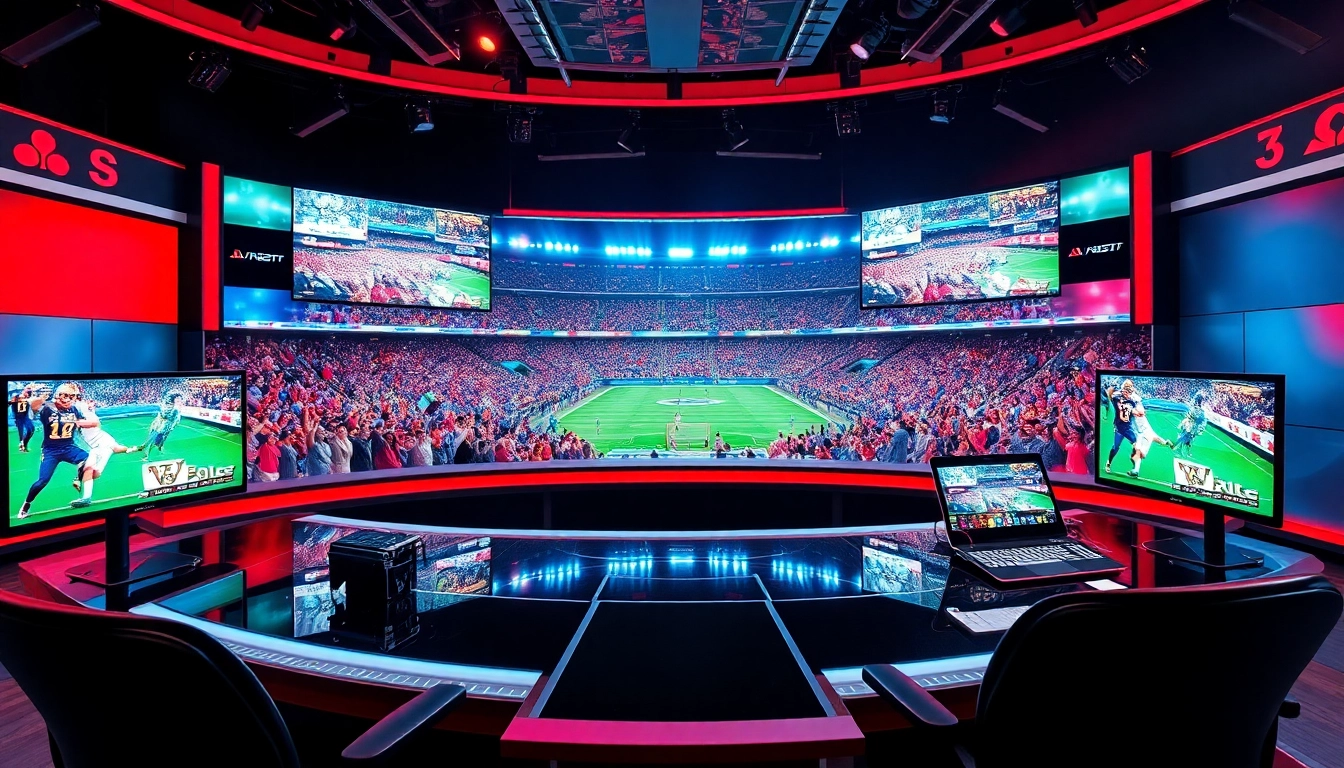
Understanding Sports Broadcasting
Definition and Importance of Sports Broadcasting
Sports Broadcasting is the dissemination of live sports events through various media channels, including television, radio, and online platforms. The significance of this practice is monumental, as it not only allows fans to experience their favorite games from the comfort of their homes but also serves as a substantial revenue stream for leagues, teams, and broadcasters alike. It has transformed the way sports are consumed, evolving from traditional viewing to a multi-faceted approach that includes interactive elements and social media integration. For a deep dive into this dynamic field, explore this comprehensive guide on Sports Broadcasting.
Key Trends in Sports Broadcasting
As technology advances, several trends are emerging that are shaping the future of Sports Broadcasting:
- Streaming Services Over Traditional TV: The proliferation of streaming services like ESPN+, DAZN, and others is challenging traditional cable subscriptions. Consumers prefer flexible viewing options that allow them to watch sports on their own terms.
- Interactive Experiences: Fans are seeking more engagement and interaction during broadcasts, leading to the emergence of second-screen experiences, polls, and live chats.
- Data Analytics: Increasingly, broadcasters are incorporating real-time statistics and analytics into their broadcasts. This data enriches viewer experience and enhances storytelling by providing deeper context to the action on the field.
How Sports Broadcasting Affects Fan Engagement
Sports Broadcasting plays a pivotal role in shaping fan engagement. By delivering content that is accessible and interactive, broadcasters foster a sense of community and loyalty among fans. Features such as live blogging, fan polls, and social media interactions during broadcasts not only keep fans informed but also actively involved in the narrative of their favorite teams. Moreover, the use of augmented reality (AR) and virtual reality (VR) in broadcasts offers immersive experiences that keep fans wanting more.
Technical Aspects of Sports Broadcasting
Essential Equipment for Effective Broadcasting
The technical backbone of Sports Broadcasting comprises several essential pieces of equipment:
- Cameras: High-definition cameras with proper lenses are crucial for capturing every detail of the action, from wide-angle shots of stadiums to tight close-ups of athletes.
- Audio Equipment: Clear and balanced audio is vital. Equipment such as microphones, mixers, and audio processing systems enhances the broadcast experience.
- Graphics Systems: Incorporating graphics is essential for displaying stats, scores, and engaging visual elements that enhance informational clarity during the broadcast.
Broadcasting Techniques and Their Usage
Different broadcasting techniques help to engage audiences effectively. Multi-camera setups allow for diverse angles of the action, enriching the viewer's experience. Additionally, techniques like instant replay give audiences the opportunity to review pivotal moments in the game, while commentary enhances understanding through analysis.
Role of Technology in Modern Sports Broadcasting
Technology has fundamentally reshaped Sports Broadcasting. Innovations such as 4K video streaming, drone cameras, and augmented reality graphics provide unprecedented access and detail. Social media tools allow real-time interaction, while data analytics enhance viewer engagement by offering personalized content. As mobile technology continues to evolve, it enhances the on-the-go viewing experience, allowing audiences to consume content anywhere at any time.
Content Creation for Sports Broadcasting
Developing Engaging Broadcast Scripts
Creating captivating broadcast scripts requires an understanding of both the sport and the audience. Engaging scripts weave storytelling with key game moments. It’s important to build narratives that resonate with fans while ensuring clarity and excitement. Including insights and player backgrounds can also enhance the storytelling aspect.
Utilizing Graphics and Visual Effects
Graphics and visual effects play a significant role in making broadcasts more engaging. Infographics can summarize crucial game statistics, while animated graphics can visualize complex plays. Employing these visual elements not only grabs attention but also helps to clarify important information, keeping viewers informed and entertained.
Incorporating Social Media into Broadcasts
Social media integration is critical in modern Sports Broadcasting. Platforms like Twitter and Instagram can amplify the reach of a broadcast, allowing fans to interact and engage with the content. Airing tweets live during games or showcasing fan-generated content can create a more communal viewing experience that appeals to younger audiences.
Marketing Strategies in Sports Broadcasting
Building a Strong Brand in Sports Broadcasting
The foundation of a successful Sports Broadcasting endeavor begins with building a strong brand. This involves creating a unique identity, aligning with audience preferences, and developing a consistent voice across all platforms. Branding efforts must extend to visuals, messaging, and community engagement, making the audience feel a part of the experience.
Leveraging Sponsorships and Partnerships
Strategic partnerships can significantly enhance the reach of a Sports Broadcasting operation. Collaborations with major brands for sponsorships provide not only financial backing but also mutual promotion opportunities. These partnerships should align with the broadcast’s values and audience interests to effectively enhance viewership.
Interactive Audience Engagement Methods
To deepen audience engagement, broadcasters must employ interactive methods. Techniques such as live chats, call-ins, and social media polls can make viewers feel actively involved in the broadcast. Moreover, incentivizing audience participation through contests and giveaways can significantly enhance viewer retention and loyalty.
Future of Sports Broadcasting
Emerging Technologies Shaping Sports Broadcasting
Looking ahead, several emerging technologies are poised to transform Sports Broadcasting further:
- Artificial Intelligence: AI can automate content creation, analyze viewer preferences, and even customize broadcasts based on audience behavior, enhancing engagement.
- Virtual and Augmented Reality: These technologies have the potential to provide immersive experiences, allowing fans to participate in events from different perspectives, making them feel as if they are part of the action.
- 5G Technology: With faster speeds and lower latency, 5G can offer viewers seamless streaming experiences, making mobile viewing more reliable and enjoyable.
Potential Challenges Ahead in Sports Broadcasting
Despite the potential growth, Sports Broadcasting faces several challenges. These include navigating the complexities of licensing and rights agreements, dealing with ever-changing technology, and maintaining viewer loyalty in a crowded market. Moreover, with increased competition, broadcasters must consistently innovate to keep audiences engaged.
Predictions for the Future of Sports Broadcasting
Predictions for Sports Broadcasting suggest a shift towards even more personalized content delivery. Broadcasters may leverage data analytics to offer tailored experiences based on individual viewer preferences. Furthermore, the integration of community-driven content alongside traditional broadcasting will likely redefine the viewing landscape, enhancing fan loyalty and interaction.
Frequently Asked Questions
What is Sports Broadcasting?
Sports Broadcasting refers to the distribution of live sports events through television, radio, or online platforms, allowing fans to watch games in real-time.
How has technology changed Sports Broadcasting?
Technology has introduced innovations like HD streaming, interactive graphics, and social media engagement, enhancing the viewing experience and audience involvement.
What equipment is necessary for effective Sports Broadcasting?
Essential equipment includes high-definition cameras, quality audio systems, and advanced graphics technology to provide an engaging and informative viewing experience.
Why is audience engagement important in Sports Broadcasting?
Engaged audiences are more likely to remain loyal and share their viewing experiences, which can increase overall viewership and enhance brand value for broadcasters.
What trends are shaping the future of Sports Broadcasting?
Key trends include the rise of streaming services, interactive viewing experiences, and the integration of data analytics to create personalized broadcasts for viewers.